
Vertrauen.
Verantwortung.
Souveränität.
Spezialisierte Sprachmodelle für ein souveränes Europa.
In enger Partnerschaft mit unseren Kunden konzipieren, entwickeln und betreiben wir individualisierte, sichere Sprachmodelle (SLLMs) für reale, geschäftskritische Umgebungen und Entscheidungen.
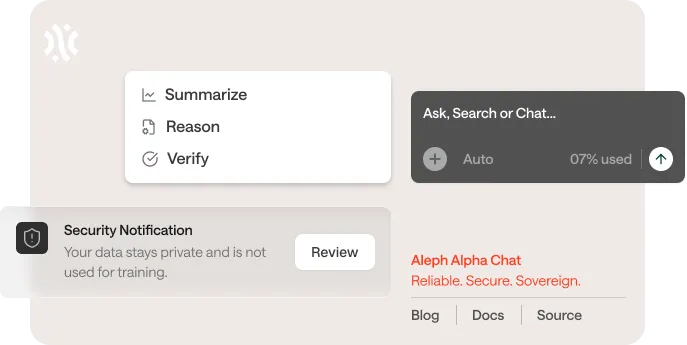
Maßgeschneiderte Sprachmodelle spezialisiert für Ihre Domäne.
Wir befähigen Unternehmen und öffentliche Institutionen, ihr wichtigstes Wissen zu transformieren.
Allgemeine Modelle scheitern dort, wo Domänenwissen, regulatorische Compliance und Datensouveränität unverhandelbar sind. Unsere SLLMs laufen kompromisslos auf europäischer Infrastruktur und werden gemäß dem geltenden EU-Recht speziell auf Ihrer Domäne trainiert.
Ob Recht, Verwaltung, Industrie oder Wissenschaft: wir begleiten unsere Partner von der ersten Idee bis zur Einführung und Weiterentwicklung Ihrer passgenauen Lösung. Ein reiches Set an Methoden und Tools helfen bei gemeinsamen Evaluierungen mit Ihrem Team und stellen sicher, dass unsere Lösung zu Ihrem Unternehmen und Ihren Arbeitsabläufen passt.
Messbare Erfolge für Ihre Ziele.
Wir genießen das Vertrauen von Partnern aus den unterschiedlichsten Branchen und können messbare Erfolge nachweisen.

Die Einführung eines KI-Assistenten in einer Behörde hilft 80.000 Nutzern, die Verwaltungsprozesse souverän zu beschleunigen.
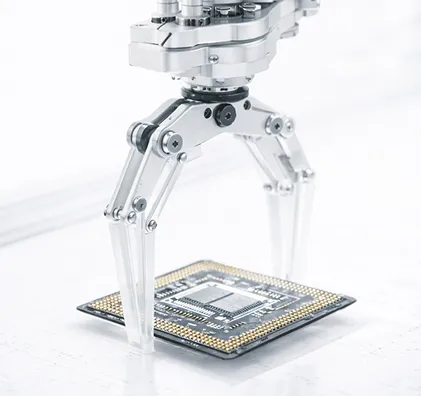
Der Einsatz eines KI-Agenten zur Gewinnung verifizierbarer Erkenntnisse aus sensiblen und komplexen Dokumenten eines globalen Chipherstellers verkürzte die Suchzeiten um 90 %.

Der Einsatz KI-gestützter Methoden im Requirements Engineering eines Automobilzulieferers führte zu einer um 40 % schnelleren RFQ-Bearbeitung.
Technologie für Organisationen mit Verantwortung.
Unsere Kunden sind Spezialisten in Industrie, öffentlichem Sektor und Verteidigung, wo Daten und Expertise souverän bleiben und Ergebnisse zuverlässig sein müssen, um echte Wirkung zu erzielen. Unsere Technologie setzt da ein, wo generative KI noch scheitert: bei der sicheren Verknüpfung von Domänenwissen mit internen Arbeitsabläufen. Die Technologie von Aleph Alpha schließt diese Lücke und verbindet auf einzigartige Weise die Wissensarbeiter mit ihren operativen Aufgaben in sensiblen Umgebungen.







KI Made in Germany.
Für Europa.
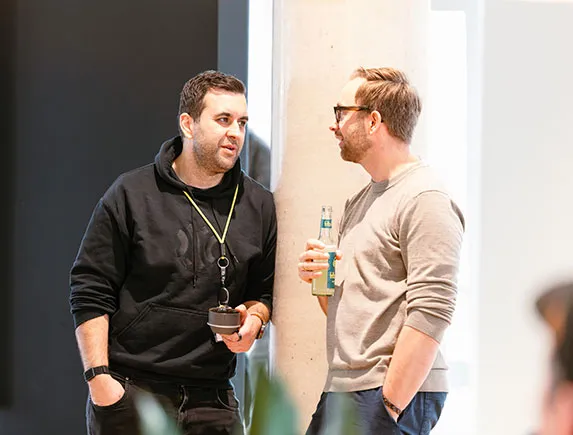
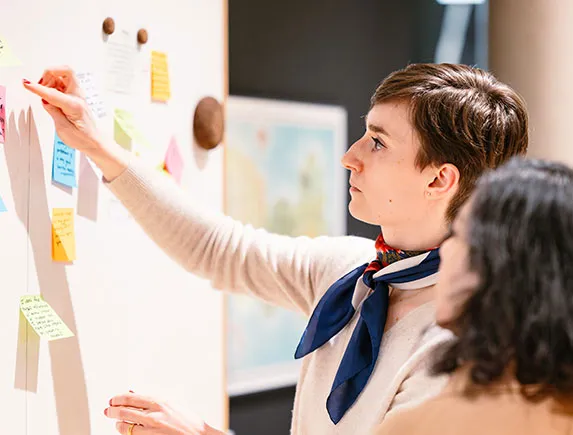
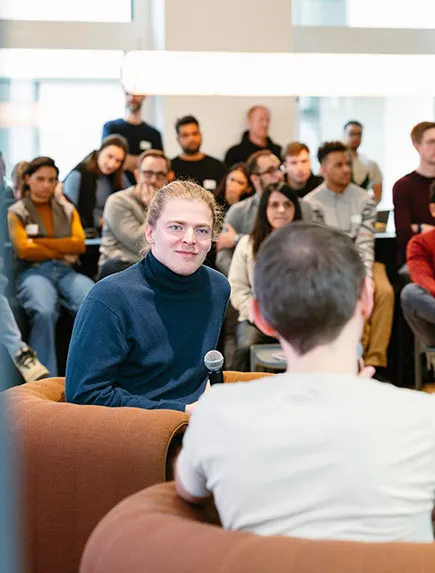
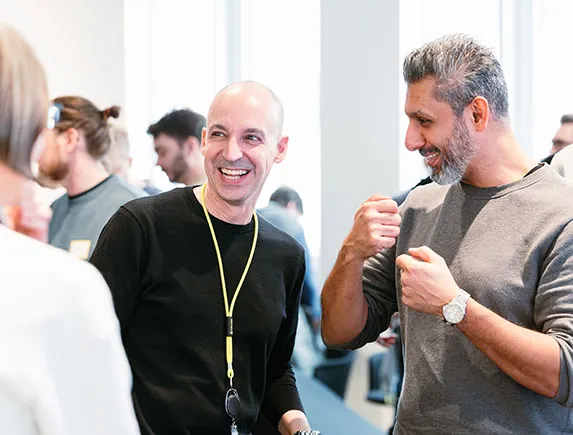
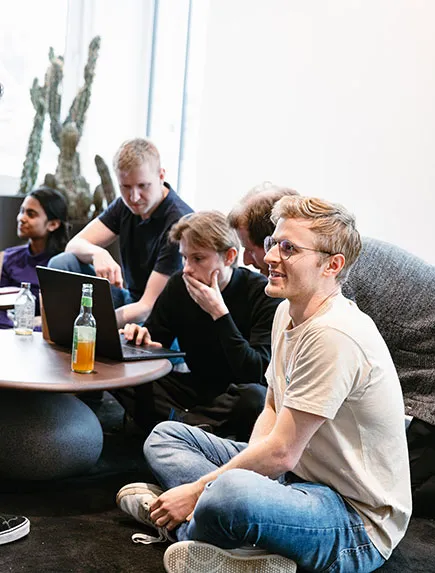
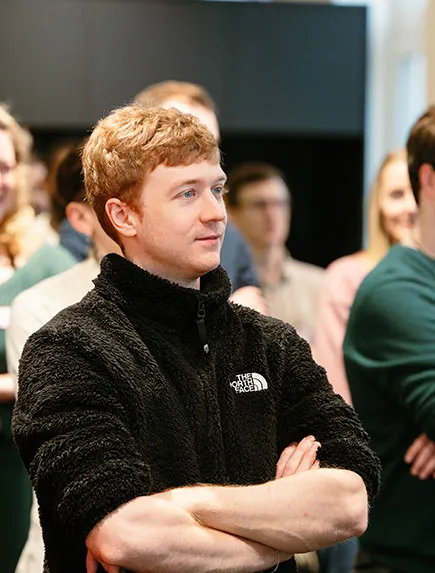
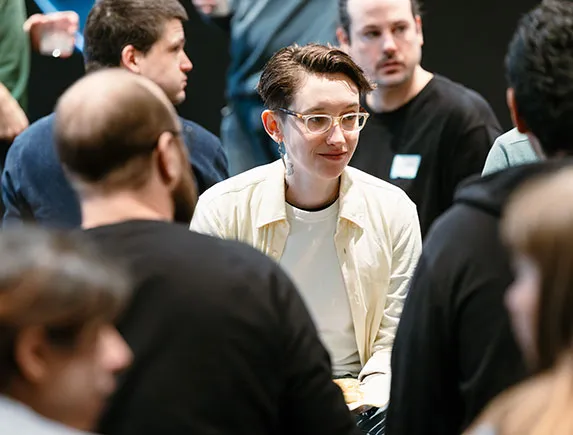
An vier deutschen Standorten entwickelt unser internationales Team aus Ingenieuren, Wissenschaftlern und Innovatoren souveräne KI - geprägt von Zusammenarbeit, Offenheit und einem tiefen Bekenntnis zur Verantwortung.

Aleph Alpha Leadership

Ilhan Scheer
Co-Chief Executive Officer

Lucie Prinz
Chief People Officer
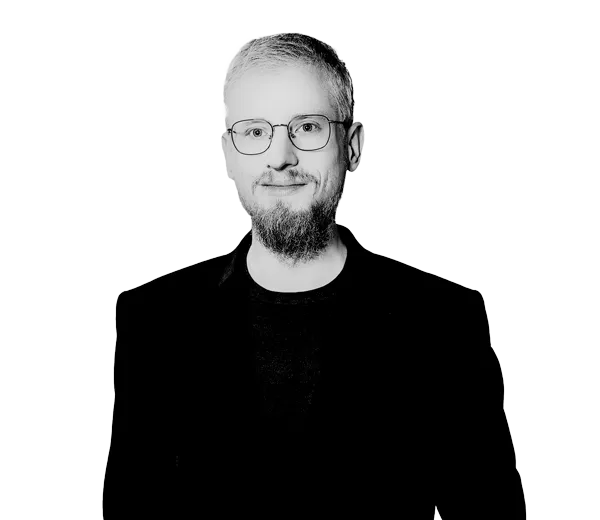
Samuel Weinbach
Co-Chief Research Officer, Co-Founder
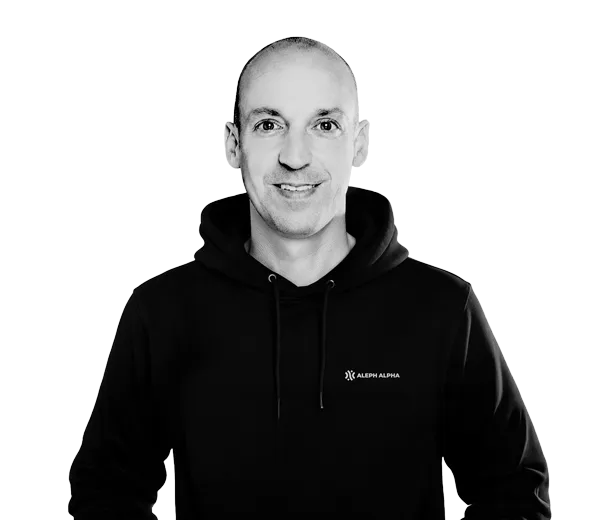
Reto Spörri
Co-Chief Executive Officer
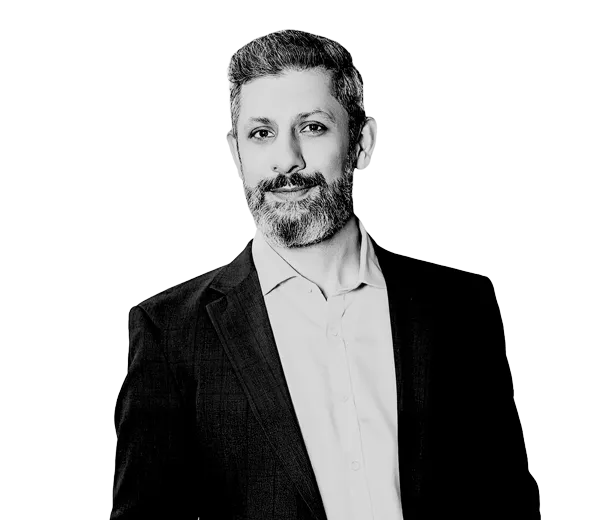
Yasser Jadidi
Co-Chief Research Officer
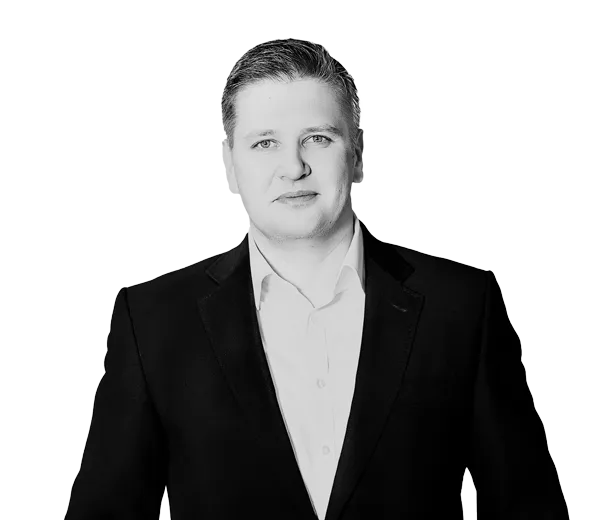
Ben Oppl
Chief Operating Officer